OpenAI’s Commercial Battle: The Real Intent Behind GPT-5
 Have you ever wondered what OpenAI’s true intention is behind the recent release of GPT-5? While many professional users may feel underwhelmed by its features, they might be missing a bigger signal: OpenAI’s focus has shifted away from them. According to a detailed analysis by SemiAnalysis, the real story is not about technical upgrades, but about business strategy.
ChatGPT now boasts over 700 million users and is rapidly climbing the ranks of global websites. In November 2023, it wasn’t even in the top 100, but now it’s fifth, surpassing platforms like X, Reddit, WhatsApp, and Wikipedia. Among the top ten, ChatGPT is the youngest—and its vast, unmonetized user base is OpenAI’s true treasure.
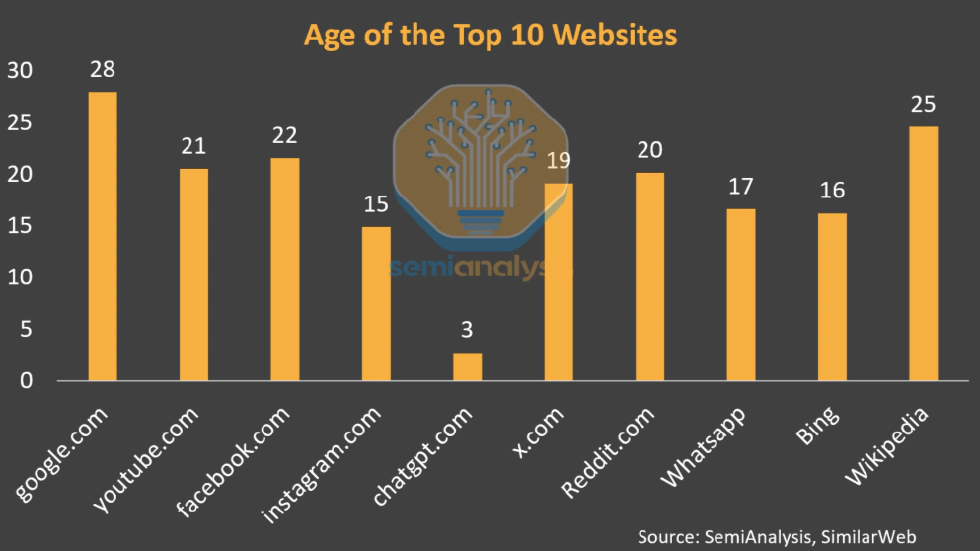
Rather than a leap in model capabilities, GPT-5 marks the beginning of a monetization feast for these free users. The star of this feast? A seemingly simple feature: the Router.
The Router: The Hidden Engine of Monetization
OpenAI’s official release highlights a “unified system” with a smart Router. This Router dynamically decides which model to use based on conversation type, complexity, tool needs, and user intent. It continuously learns from user preferences and feedback, improving over time.
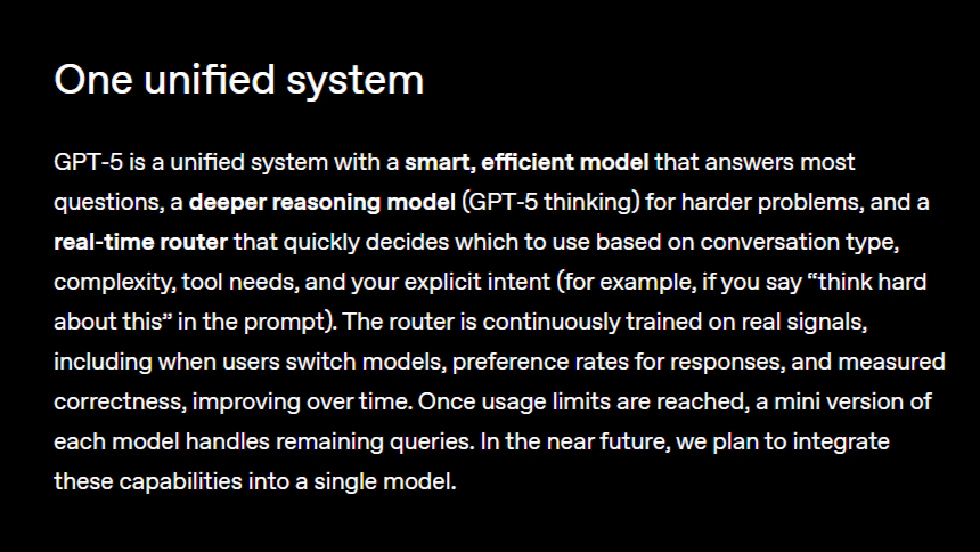
From a cost perspective, the Router directs users to lightweight model versions, allowing OpenAI to serve more users at lower costs. Performance-wise, it introduces chain-of-thought reasoning to millions of free users for the first time. On GPT-5’s launch day, the number of free users exposed to advanced reasoning models increased sevenfold.
But the Router’s significance goes beyond efficiency. It can learn to identify queries with commercial value, paving the way for monetization. SemiAnalysis sees the Router as the cornerstone of ChatGPT’s next chapter: turning free users into revenue.
Strategic Moves: Leadership and Monetization Ambitions
OpenAI’s recent hiring of Fidji Simo as CEO of its applications division signals its monetization ambitions. Simo, known for her success at eBay and Facebook, is an expert at turning high-intent internet assets into advertising products. Her arrival at OpenAI, the fastest-growing internet company yet to commercialize, speaks volumes.

Sam Altman’s stance on advertising has also evolved. While he once disliked ads, he now entertains the idea of earning transaction revenue from user clicks, without altering model outputs. OpenAI is seriously considering how to monetize free users, including commission rates and affiliate marketing.
Andrew Mayne from OpenAI even expressed enthusiasm for making purchases through ChatGPT, hinting at the platform’s future direction. With the Router, ChatGPT can understand user intent and soon, assess the economic value of queries.
The Rise of the Super Agent: A New Monetization Model
SemiAnalysis predicts ChatGPT will become a consumer-facing Super Agent app, thanks to the Router. Instead of displaying ads, OpenAI may adopt a commission-based model, avoiding intrusive paid content. This Agent model aligns with Altman’s vision of useful AI and enables monetization through transaction commissions.
Unlike search engines, which have near-zero marginal costs per query, AI Agents and large language models introduce variable costs—more investment yields better results. The Router allows ChatGPT to distinguish between low-value and high-value queries, optimizing resource allocation.
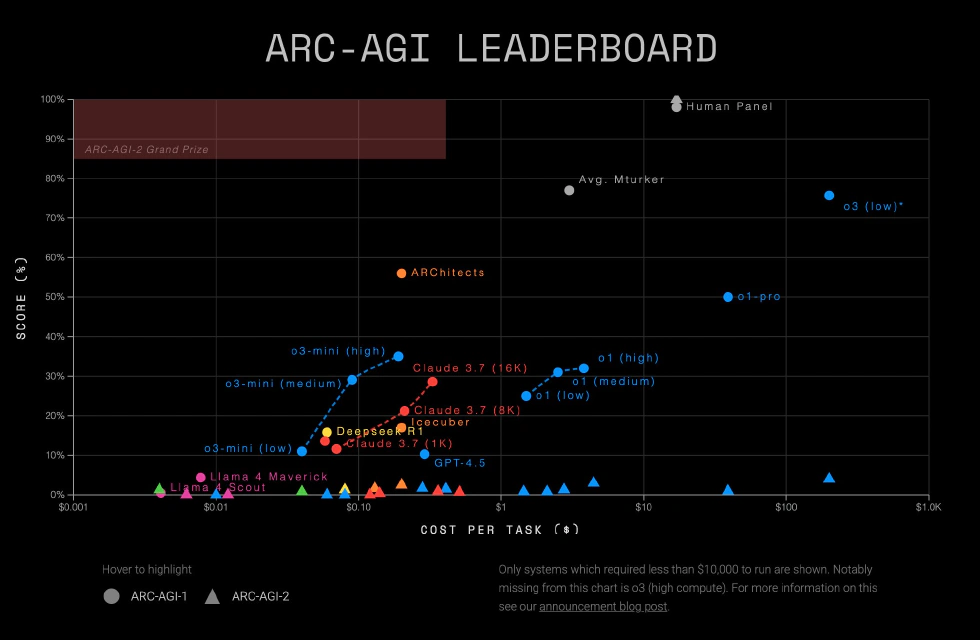
For high-value queries, like finding a top DUI lawyer, ChatGPT could invest significant compute resources to deliver tailored, actionable recommendations—even contacting professionals on the user’s behalf. This dynamic, value-driven approach could revolutionize how users interact with services and products.
Partnerships and the Path to Commerce
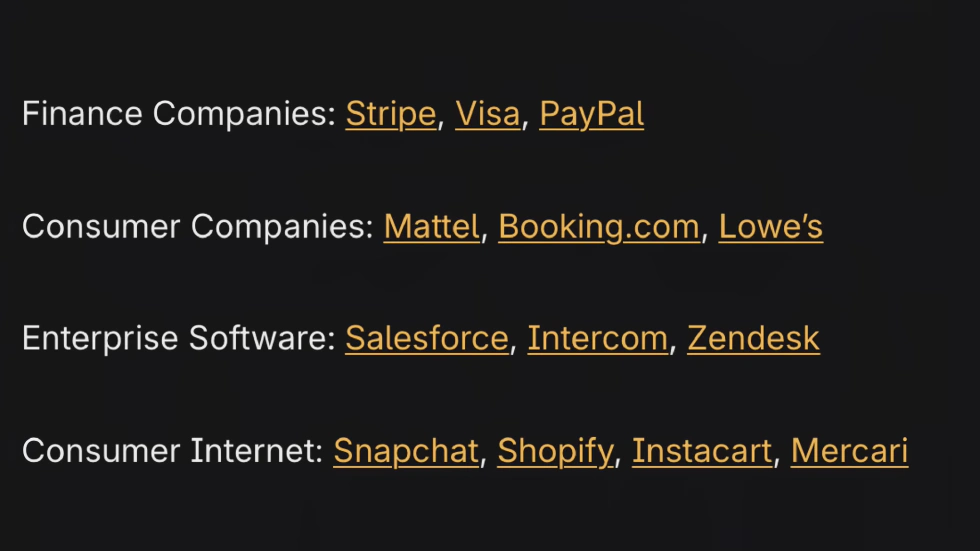
OpenAI is already integrating with major companies: Stripe, Visa, Paypal in finance; Mattel, Booking.com, Lowe’s in consumer goods; Salesforce, Intercom, Zendesk in enterprise software; and Shopify, Instacart, Mercari in consumer internet. These partnerships enable ChatGPT to facilitate end-to-end transactions, reducing customer acquisition costs for businesses.
The Router is the first step in distinguishing between queries with different computational and commercial values. As ChatGPT evolves, it could recommend products, earn affiliate fees, and eventually handle bookings, purchases, and appointments—becoming a true Super App.
Challenging the Tech Giants
OpenAI’s rapid growth is now a direct challenge to Google, Meta, and Amazon. By bypassing traditional search and advertising funnels, ChatGPT creates a new space for purchases and recommendations. Smaller companies are already benefiting from AI-driven traffic, with platforms like Etsy and Wayfair seeing 10% of their traffic from AI recommendations—90% of which comes from ChatGPT.
As businesses shift from experimental ads to high-ROI customer channels, the landscape of online advertising and commerce is set for dramatic change. OpenAI’s commercial battle is just beginning, and the tech giants must now respond to this new wave of competition.
Conclusion
OpenAI’s GPT-5 release is not just a technical upgrade—it’s the opening move in a commercial transformation. With the Router at its core, ChatGPT is poised to redefine how free users are monetized, how businesses reach customers, and how the internet’s biggest players compete. The age of the AI Super Agent is dawning, and the world is watching to see if the giants can dance.
Disclaimer: This article only represents personal opinions.